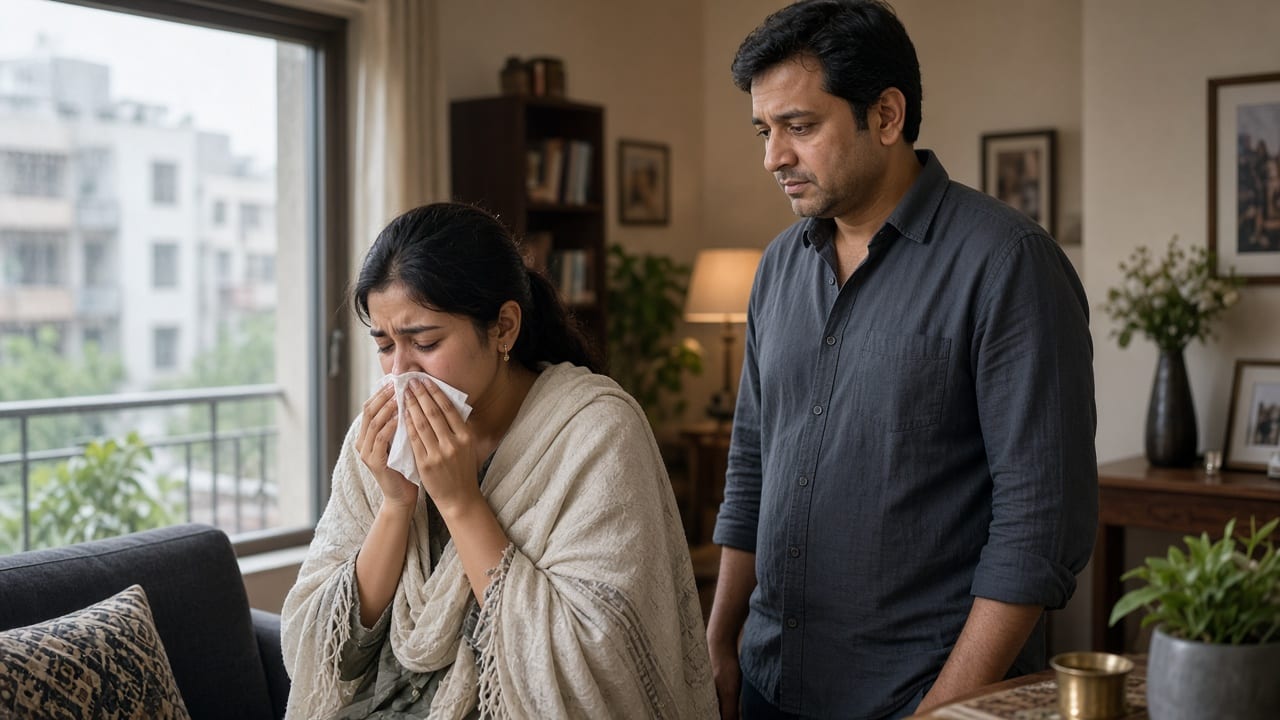
In today’s busy lifestyle, many people only visit a doctor when they feel unwell. However, several health conditions develop silently without noticeable symptoms in the early stages. This is why regular health checkups play a vital role in preventive healthcare.
According to Dr. Pranavi Reddy MBBS, MD – General Medicine, General Physician in Hyderabad, routine medical checkups help detect potential health problems early, allowing timely treatment and better long-term outcomes. Preventive care is one of the most effective ways to maintain good health and reduce the risk of serious illnesses.
Why Regular Health Checkups Are Important
Regular health checkups allow doctors to monitor important health indicators such as blood pressure, blood sugar levels, cholesterol, and body weight. These tests help identify health risks before they develop into serious conditions.
Early detection plays a key role in managing diseases like diabetes, hypertension, thyroid disorders, and heart disease. When detected early, these conditions can often be managed effectively through lifestyle changes, medication, and medical guidance.
How Preventive Care Helps Protect Long-Term Health
Preventive care focuses on maintaining health rather than only treating disease after symptoms appear. Regular medical evaluations help doctors identify risk factors and recommend lifestyle adjustments that can prevent future complications.
A general physician in Hyderabad may also recommend screening tests based on age, medical history, and family risk factors. These screenings help detect conditions such as metabolic disorders, infections, and vitamin deficiencies early.
Health Conditions That Often Show No Early Symptoms
Many common health conditions develop gradually and may not cause noticeable symptoms in the early stages. This is one of the main reasons why routine health screening is essential.
Some conditions that often remain unnoticed include:
- High blood pressure (hypertension)
- Type 2 diabetes
- High cholesterol
- Thyroid disorders
- Vitamin deficiencies
Without regular checkups, these conditions may remain undiagnosed until complications develop.
How Often Should You Get a Health Checkup?
The frequency of health checkups may vary depending on age, lifestyle, and existing medical conditions. Young adults may require routine screening every one to two years, while older adults or individuals with risk factors may require more frequent monitoring.
A physician can recommend appropriate tests based on individual health needs. Common evaluations during routine checkups may include blood tests, blood pressure monitoring, cholesterol screening, and general physical examination.
Simple Habits That Support Preventive Health
Preventive healthcare is not limited to medical tests alone. Maintaining healthy daily habits can significantly improve overall wellbeing and reduce the risk of chronic disease.
Some important preventive health habits include:
- Maintaining a balanced and nutritious diet
- Engaging in regular physical activity
- Getting adequate sleep
- Managing stress effectively
- Avoiding tobacco and excessive alcohol consumption
Dr. Pranavi Reddy explains: “Preventive healthcare is one of the most powerful tools we have in modern medicine. Regular health checkups allow early detection of potential health issues and help people take proactive steps toward better health.”
What a Useful Checkup Includes
A meaningful visit is more than a package of tests. It starts with symptoms, family history, medicines, and habits, then chooses investigations that answer a question. Blood pressure, sugar, haemoglobin, and cholesterol are common starting points for adults. Thyroid tests, vitamin levels, and liver tests are added when the history suggests them.
Bring previous reports so trends are visible. A single slightly abnormal value is often repeated before anyone labels it a disease. That avoids both missed problems and unnecessary worry.
Between Visits: What to Track at Home
Home notes make the next appointment shorter and clearer. Useful details include morning blood pressure if you were asked to measure it, sleep timing, menstrual changes, and any new breathlessness on stairs.
Dr. Pranavi Reddy uses these checkups to set a follow-up interval, from a few months for a new finding to a yearly review when results are steady. The value is early correction, while treatment is still straightforward.
Conclusion
Regular health checkups are an essential part of maintaining long-term health. They help detect silent diseases early, guide preventive care, and provide valuable insight into overall wellbeing.
By prioritising routine medical evaluations and adopting healthy lifestyle habits, individuals can significantly reduce the risk of serious health complications and lead healthier lives.
Disclaimer:
This content is for educational purposes only and should not replace medical consultation. Please contact your doctor for personalised advice.
If you want to monitor your health and prevent future medical problems, consult General Physician Dr. Pranavi Reddy in Hyderabad for a comprehensive health evaluation and personalised preventive care plan.
Care related to this topic is available at NeuMed Clinics, Nallagandla, Hyderabad: Dr. Pranavi Reddy, General Physician.