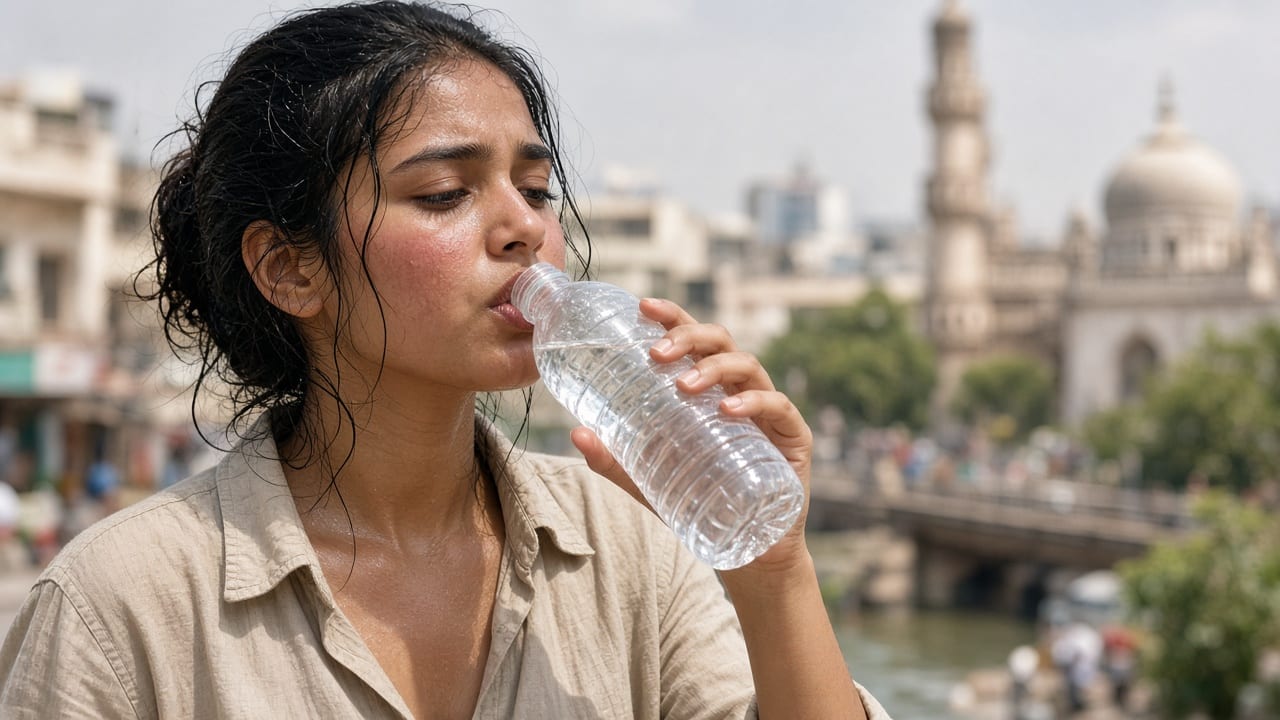
Summer heat can significantly increase the risk of dehydration, especially in a city like Hyderabad where temperatures can rise quickly. While most people associate dehydration with thirst, it often presents with subtle symptoms that are easy to overlook.
According to Dr. Pranavi Reddy MBBS, MD – General Medicine, General Physician in Hyderabad, dehydration can affect multiple body systems, including energy levels, digestion, and overall health. Recognising early signs and maintaining proper hydration are essential to prevent complications during hot weather.
What Happens to the Body During Dehydration?
Water plays a vital role in maintaining body temperature, supporting digestion, and regulating essential functions. When the body loses more fluids than it takes in, it leads to dehydration, which can disrupt normal physiological processes.
Even mild dehydration can affect circulation and reduce the efficiency of organs. In more severe cases, it may impact blood pressure, kidney function, and overall metabolism, making it important to address fluid loss early.
Hidden Symptoms of Dehydration You Shouldn’t Ignore
Dehydration does not always present as obvious thirst. Many early signs are subtle and often mistaken for fatigue or stress, which delays proper hydration and treatment.
Some common hidden symptoms include:
- Persistent fatigue or low energy
- Headaches or dizziness
- Dry skin or lips
- Dark yellow urine
- Difficulty concentrating
- Muscle cramps
Recognising these symptoms early can help prevent progression to more serious dehydration-related complications.
How Dehydration Affects Different Body Systems
Dehydration can have a widespread impact on various organs and systems in the body. It not only affects physical performance but also influences mental clarity and overall wellbeing.
Some effects include:
- Brain: Reduced concentration and increased fatigue
- Digestive system: Constipation and acidity
- Kidneys: Increased risk of kidney stress or infections
- Circulatory system: Low blood pressure and dizziness
Proper hydration is essential to ensure all body systems function efficiently, especially during extreme summer conditions.
Who Is at Higher Risk of Dehydration in Summer?
While dehydration can affect anyone, certain groups are more vulnerable during hot weather. Individuals who are exposed to heat for long durations or have increased fluid loss are at higher risk.
High-risk groups include:
- Outdoor workers
- Children and older adults
- People with chronic illnesses
- Individuals engaging in intense physical activity
- People who do not drink adequate fluids regularly
Being aware of these risks helps in taking preventive steps to maintain hydration.
Simple Ways to Stay Hydrated During Summer
Preventing dehydration is simple but requires consistency. Regular fluid intake and mindful habits can help maintain optimal hydration levels throughout the day.
Some effective tips include:
- Drinking water regularly, even before feeling thirsty
- Including fluids such as coconut water and fresh juices
- Eating water-rich foods like fruits and vegetables
- Avoiding excessive caffeine and sugary drinks
- Taking breaks from direct sun exposure
Dr. Pranavi Reddy explains: “Dehydration is often overlooked because its early symptoms are subtle. Staying consistently hydrated and recognising warning signs can help prevent serious health issues during summer.”
Hydration That Fits a Hyderabad Summer Day
Thirst lags behind fluid loss in dry heat. People who commute, work outdoors, or exercise after 4 pm need planned drinks, not only a bottle when they already feel faint. Water is enough for most. Oral rehydration is more useful if there is heavy sweating, vomiting, or loose stools.
- Start the morning with a full glass of water.
- Carry water in the car and into meetings.
- Limit alcohol and very sugary drinks, which do not replace losses well.
- Pause outdoor workouts when you feel dizzy, cramp, or stop sweating.
Who Needs Earlier Medical Advice
Older adults, young children, and people with kidney disease, heart disease, or diabetes can worsen quickly. So can anyone on water tablets or a low-salt plan. Dark urine, a fast heartbeat, confusion, or inability to keep fluids down should be assessed the same day.
A clinic visit checks pulse, blood pressure, and, when needed, sodium and kidney tests. The aim is to correct the deficit safely and adjust daily fluids to the person’s health conditions.
Conclusion
Dehydration is a common but preventable condition during summer. While symptoms may start mildly, they can affect multiple body systems if ignored.
By staying hydrated, recognising early signs, and adopting simple preventive habits, individuals can protect their health and avoid complications related to heat and fluid loss.
Disclaimer:
This content is for educational purposes only and should not replace medical consultation. Please contact your doctor for personalised advice.
If you experience symptoms like fatigue, dizziness, or headaches during summer, consult General Physician Dr. Pranavi Reddy in Hyderabad for expert evaluation and personalised care.
Care related to this topic is available at NeuMed Clinics, Nallagandla, Hyderabad: fever and infection care and Dr. Pranavi Reddy, General Physician.