Understanding the Condition
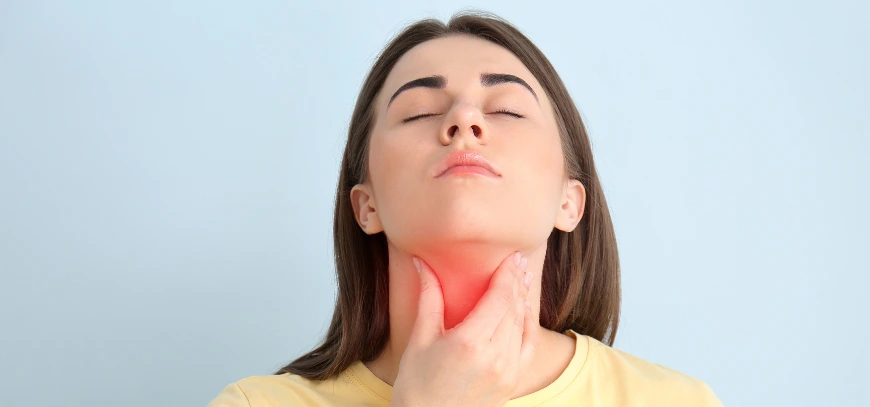
The thyroid gland in the neck produces thyroxine (T4) and triiodothyronine (T3) — hormones controlling metabolic rate, heart function, body temperature, digestion and mood. Hypothyroidism (underactive thyroid) and hyperthyroidism (overactive thyroid) are common endocrine disorders, particularly affecting women and increasing with age.
Autoimmune thyroiditis (Hashimoto's) is the leading cause of hypothyroidism in iodine-sufficient areas. Graves' disease and toxic nodules cause hyperthyroidism. Thyroid nodules require evaluation to exclude malignancy, though most are benign.
At NeuMed Clinics in Nallagandla, Dr. Pranavi Reddy manages thyroid disorders for patients from Hyderabad, Gachibowli and Kondapur — integrating thyroid care with diabetes, hypertension and women's health where hormones intersect.
Subclinical thyroid dysfunction — abnormal TSH with normal T4 — requires nuanced decisions on treatment versus observation based on symptoms, antibody status, age and pregnancy plans.
Hyderabad's western corridor — including Nallagandla, Gachibowli and Kondapur — has seen growing demand for structured general medicine services that combine clinical expertise with accessible community-based care. NeuMed Clinics was established to meet that need with extended weekday and weekend hours.
Telephone support during clinic hours helps address interim questions about medication side effects, test result clarification or appointment rescheduling — supporting continuity without unnecessary duplicate visits.
NeuMed Clinics emphasises evidence-based medicine aligned with national and international guidelines, adapted to individual patient context, comorbidities and personal preferences rather than rigid protocol-only care.
Common Symptoms
Hypothyroidism features fatigue, weight gain, constipation, cold sensitivity, dry skin, hair thinning, depression, slowed heart rate and menstrual irregularity. Severe untreated cases risk myxoedema coma — rare but life-threatening.
Hyperthyroidism causes weight loss despite appetite, tremor, palpitations, heat intolerance, anxiety, diarrhoea, menstrual changes and eye signs in Graves' disease. Thyroid storm is an emergency with fever, agitation and cardiovascular collapse.
Thyroid nodules are often asymptomatic discovered on examination or ultrasound. Large nodules may cause swallowing or voice changes.
Medication side effects — over-replacement causing hyperthyroid symptoms on levothyroxine, or hypothyroidism if under-dosed — highlight monitoring importance.
Continuity of care matters. Dr. Pranavi Reddy maintains records across visits so adjustments reflect your full history rather than isolated snapshots. This longitudinal approach is especially valuable for chronic conditions requiring months or years of coordinated management.
Preventive screening and complication monitoring are scheduled proactively at NeuMed Clinics, so emerging issues are addressed early rather than after advanced progression requiring hospital intervention.
For residents of Nallagandla and neighbouring layouts, having specialist general medicine consultation locally reduces travel burden during illness or when mobility is limited. Same-day appointment availability is pursued whenever clinic capacity allows.
When to Seek Medical Care
Emergency care for severe chest pain with palpitations, high fever with agitation in known hyperthyroidism, or altered consciousness in hypothyroid patients.
Schedule consultation for persistent fatigue, unexplained weight change, neck swelling, new palpitations, or abnormal thyroid blood tests from screening.
Pregnant or planning pregnancy women with thyroid disease need prompt specialist alignment — maternal thyroid status affects fetal development.
NeuMed Clinics offers routine thyroid management; thyroid surgery and radioiodine referral coordinated when indicated.
Patient education is embedded in every consultation at NeuMed Clinics. You receive practical written guidance on warning signs, medication schedules, lifestyle priorities and when to seek urgent care — reducing uncertainty between appointments.
Hyderabad's western corridor — including Nallagandla, Gachibowli and Kondapur — has seen growing demand for structured general medicine services that combine clinical expertise with accessible community-based care. NeuMed Clinics was established to meet that need with extended weekday and weekend hours.
Telephone support during clinic hours helps address interim questions about medication side effects, test result clarification or appointment rescheduling — supporting continuity without unnecessary duplicate visits.
Our Approach at NeuMed Clinics
Our approach starts with TSH, free T4 and sometimes T3, thyroid antibodies, and clinical correlation. Dr. Pranavi Reddy interprets results in context — pregnancy trimester-specific targets differ from general adult ranges.
Levothyroxine dosing for hypothyroidism is weight and age informed, titrated to normalise TSH without overshooting. Hyperthyroidism treatment options include antithyroid drugs, radioiodine referral or surgical referral depending on cause and patient preference.
Nodule evaluation uses ultrasound characteristics and fine-needle aspiration when suspicious features present — referred to endocrine surgery or interventional centres as needed.
Patient education on medication timing, interaction avoidance and symptom tracking empowers stable long-term control.
Many patients combine care at NeuMed Clinics with workplace health programmes or insurance-supported investigations. Our team helps coordinate referral letters, prescription documentation and follow-up timing to fit professional schedules common across Gachibowli and Financial District workplaces.
Continuity of care matters. Dr. Pranavi Reddy maintains records across visits so adjustments reflect your full history rather than isolated snapshots. This longitudinal approach is especially valuable for chronic conditions requiring months or years of coordinated management.
Clinical insight: Thyroid disorders are common and treatable — but require correct diagnosis, appropriate dosing and regular monitoring for lasting wellbeing.
Diagnostic Evaluation
Baseline panel: TSH, free T4; add free T3 and TSH receptor antibodies when hyperthyroidism suspected. Anti-TPO and anti-thyroglobulin antibodies support autoimmune diagnosis.
Thyroid ultrasound for palpable nodules, goitre assessment or structural abnormalities. No routine ultrasound for simple hypothyroidism without neck signs.
Repeat TSH six to eight weeks after any levothyroxine dose change; six to twelve monthly when stable. More frequent in pregnancy each trimester.
Lipids, glucose and cardiovascular review accompany thyroid assessment — hypothyroidism elevates cholesterol; hyperthyroidism affects glucose metabolism.
Family involvement is welcomed when appropriate. Caregivers, spouses or parents accompanying patients receive clear explanations of the treatment plan, improving adherence and home monitoring for symptoms that matter between visits.
Patient education is embedded in every consultation at NeuMed Clinics. You receive practical written guidance on warning signs, medication schedules, lifestyle priorities and when to seek urgent care — reducing uncertainty between appointments.
Treatment Options
Hypothyroidism: levothyroxine daily, empty stomach, consistent timing. Dose adjustments in twelve point five to twenty-five microgram increments based on TSH response.
Hyperthyroidism: methimazole or carbimazole for Graves' disease with periodic liver and blood count monitoring. Beta-blockers for symptomatic relief pending definitive treatment.
Subclinical hypothyroidism with TSH above ten, or symptomatic patients with antibodies, often treated. Borderline cases observed with periodic retesting.
Postpartum thyroiditis may cause transient hyper then hypothyroid phases — monitoring without overtreatment during recovery phases when appropriate.
Seasonal patterns in Hyderabad — monsoon-related infections, summer dehydration, festival dietary changes — are factored into preventive counselling so your management plan remains relevant throughout the year.
Many patients combine care at NeuMed Clinics with workplace health programmes or insurance-supported investigations. Our team helps coordinate referral letters, prescription documentation and follow-up timing to fit professional schedules common across Gachibowli and Financial District workplaces.
Lifestyle & Prevention
Take levothyroxine consistently — same time daily, before breakfast, separated from iron, calcium supplements and coffee by at least thirty to sixty minutes.
Balanced nutrition with adequate iodine — neither excess nor deficiency. Selenium supplementation only if specifically advised; not routine.
Regular exercise supports metabolism and mood alongside treated thyroid function. Stress management helps autoimmune stability though cannot replace medication.
Inform all healthcare providers of thyroid status before new medications — amiodarone, lithium and others affect thyroid function.
NeuMed Clinics emphasises evidence-based medicine aligned with national and international guidelines, adapted to individual patient context, comorbidities and personal preferences rather than rigid protocol-only care.
Family involvement is welcomed when appropriate. Caregivers, spouses or parents accompanying patients receive clear explanations of the treatment plan, improving adherence and home monitoring for symptoms that matter between visits.
What to Expect at Your Visit
Bring prior thyroid labs, ultrasound reports, medication bottles and symptom diary to NeuMed Clinics. Morning appointments facilitate fasting lab draws when scheduled same day.
Dr. Pranavi Reddy reviews symptoms, examines neck, adjusts levothyroxine or antithyroid dose and plans monitoring interval.
Stable hypothyroid patients follow up every six to twelve months; hyperthyroidism or pregnancy requires closer intervals.
Located in Nallagandla, Hyderabad — serving Gachibowli, Kondapur. Book at tdappointments.com or 94947 56675.
For residents of Nallagandla and neighbouring layouts, having specialist general medicine consultation locally reduces travel burden during illness or when mobility is limited. Same-day appointment availability is pursued whenever clinic capacity allows.
Seasonal patterns in Hyderabad — monsoon-related infections, summer dehydration, festival dietary changes — are factored into preventive counselling so your management plan remains relevant throughout the year.
Hypothyroidism may cause fatigue, weight gain, cold intolerance, constipation and dry skin. Hyperthyroidism causes weight loss, palpitations, heat intolerance and anxiety. Many symptoms overlap other conditions — blood tests confirm diagnosis.
After dose adjustment, recheck six to eight weeks later. Stable patients on levothyroxine typically monitor every six to twelve months.
Levothyroxine absorbs best on empty stomach, thirty to sixty minutes before breakfast, taken consistently at the same time daily. Separate from calcium, iron and antacids by several hours.
Hypothyroidism contributes to weight gain modestly; treatment normalises metabolism but does not replace healthy eating and exercise for weight management.
Yes — thyroid requirements change in pregnancy and require close TSH monitoring. Dr. Pranavi Reddy coordinates obstetric care communication.
Medical disclaimer: This page provides general health information and does not replace professional medical advice, diagnosis or treatment. Always consult a qualified healthcare provider for concerns about your health. If you have a medical emergency, call emergency services or visit the nearest hospital immediately. Individual results and treatment plans vary.
Frequently Asked Questions
What symptoms suggest thyroid problems?
Hypothyroidism may cause fatigue, weight gain, cold intolerance, constipation and dry skin. Hyperthyroidism causes weight loss, palpitations, heat intolerance and anxiety. Many symptoms overlap other conditions — blood tests confirm diagnosis.
How often is TSH checked?
After dose adjustment, recheck six to eight weeks later. Stable patients on levothyroxine typically monitor every six to twelve months.
Can I take thyroid medication with food?
Levothyroxine absorbs best on empty stomach, thirty to sixty minutes before breakfast, taken consistently at the same time daily. Separate from calcium, iron and antacids by several hours.
Is thyroid disease linked to weight?
Hypothyroidism contributes to weight gain modestly; treatment normalises metabolism but does not replace healthy eating and exercise for weight management.
Does NeuMed Clinics treat thyroid in pregnancy?
Yes — thyroid requirements change in pregnancy and require close TSH monitoring. Dr. Pranavi Reddy coordinates obstetric care communication.
Medical disclaimer: This page provides general health information and does not replace professional medical advice, diagnosis or treatment. Always consult a qualified healthcare provider for concerns about your health. If you have a medical emergency, call emergency services or visit the nearest hospital immediately. Individual results and treatment plans vary.